

Most athletes know the frustration. You push through training, feel something go wrong, and the question that follows is always the same: how long will I be out? But the better question, and the one that actually determines your outcome, is: what happens between now and your return to sport?
Getting injured is one thing. How you recover is another entirely. Return too soon without proper rehabilitation and you risk reinjury, sometimes worse than the original. Wait too long without structured intervention and you lose conditioning, muscle integrity, and confidence. The gap between “hurt” and “fully back” is where biokinetics does its most important work.
TL;DR
- Biokinetics plays a flexible role in sports injury rehab, sometimes in the final phase, sometimes from the outset, as part of a patient-centred, multidisciplinary team.
- Biokineticists design individualised, exercise-based programmes that restore strength, movement, and sport-specific function.
- The goal is not just recovery but a structured, evidence-based return that reduces the risk of reinjury.
- Both amateur and professional athletes benefit from biokinetics, regardless of the sport or severity of the injury.
Why Rest Alone Is Not Enough
Because rest is passive, and your body needs active, structured input to rebuild what injury takes away. Resting long enough for inflammation to settle is necessary. Staying passive after that point works against you.
When movement stops for too long, the body responds predictably: muscles weaken, joints stiffen, balance deteriorates, and the neuromuscular patterns that made you athletic begin to fade. Research consistently shows that immobilisation beyond what is clinically necessary leads to greater functional deficits and longer return-to-sport timelines.
The challenge is knowing when to transition from rest to structured movement, and then doing so correctly. That is not a guesswork process. It requires clinical assessment, an understanding of tissue healing timelines, and a progressive exercise plan built around the individual. This is precisely where biokinetics enters.
STAT TO KNOW
Research on muscle strain injuries shows that reinjury rates can be as high as 70% when rehabilitation is rushed or poorly structured. An individualised, progressive approach significantly reduces this risk. (Source: NIH, 2024)
Where Biokinetics Fits in the Rehab Journey
One of the most common misconceptions about sports injury rehabilitation is that it follows a fixed sequence: doctor, then physiotherapist, then biokineticist. While this pathway is familiar, particularly after surgery or acute injury, it is not the only way rehabilitation works. In reality, the process is far more flexible than most people realise.
A Patient-Centred Model, Not a Fixed Sequence
The most accurate way to understand modern rehabilitation is as a patient-centred model. The patient sits at the core of the process, surrounded by a multidisciplinary team including doctors, physiotherapists, and biokineticists. Each professional contributes according to what the patient needs at a given point, and those roles can shift as recovery progresses.
After surgery or an acute injury, physiotherapy often plays a primary role early on: managing pain, reducing swelling, and restoring basic movement. But this is not always the starting point. In cases of chronic pain, postural dysfunction, or movement-related conditions that respond well to corrective exercise, a patient may be referred directly to a biokineticist without seeing a physiotherapist first.
Collaboration Over Handover
Even when a patient does begin with a physiotherapist, the transition to biokinetics is not always a clean handover. The two professionals often work alongside each other. A biokineticist may refer a patient back to a physiotherapist for manual therapy or electrotherapy to manage pain or stiffness, then continue building strength and function once symptoms settle.
It also works the other way. A patient may present to a biokineticist first, where an assessment reveals red flags or the need for further investigation. In that case, the biokineticist refers the patient to a doctor for imaging or medical evaluation before the rehabilitation plan is revised and continued.
One Team, One Goal
What remains consistent across all these pathways is the objective. The multidisciplinary team works collectively toward the same outcome: holistic, integrated care that prioritises the patient’s health, function, and long-term wellbeing. At different stages, one professional may take on a coordinating role, ensuring care stays appropriate and efficient throughout the recovery journey.
What a Biokineticist Actually Does
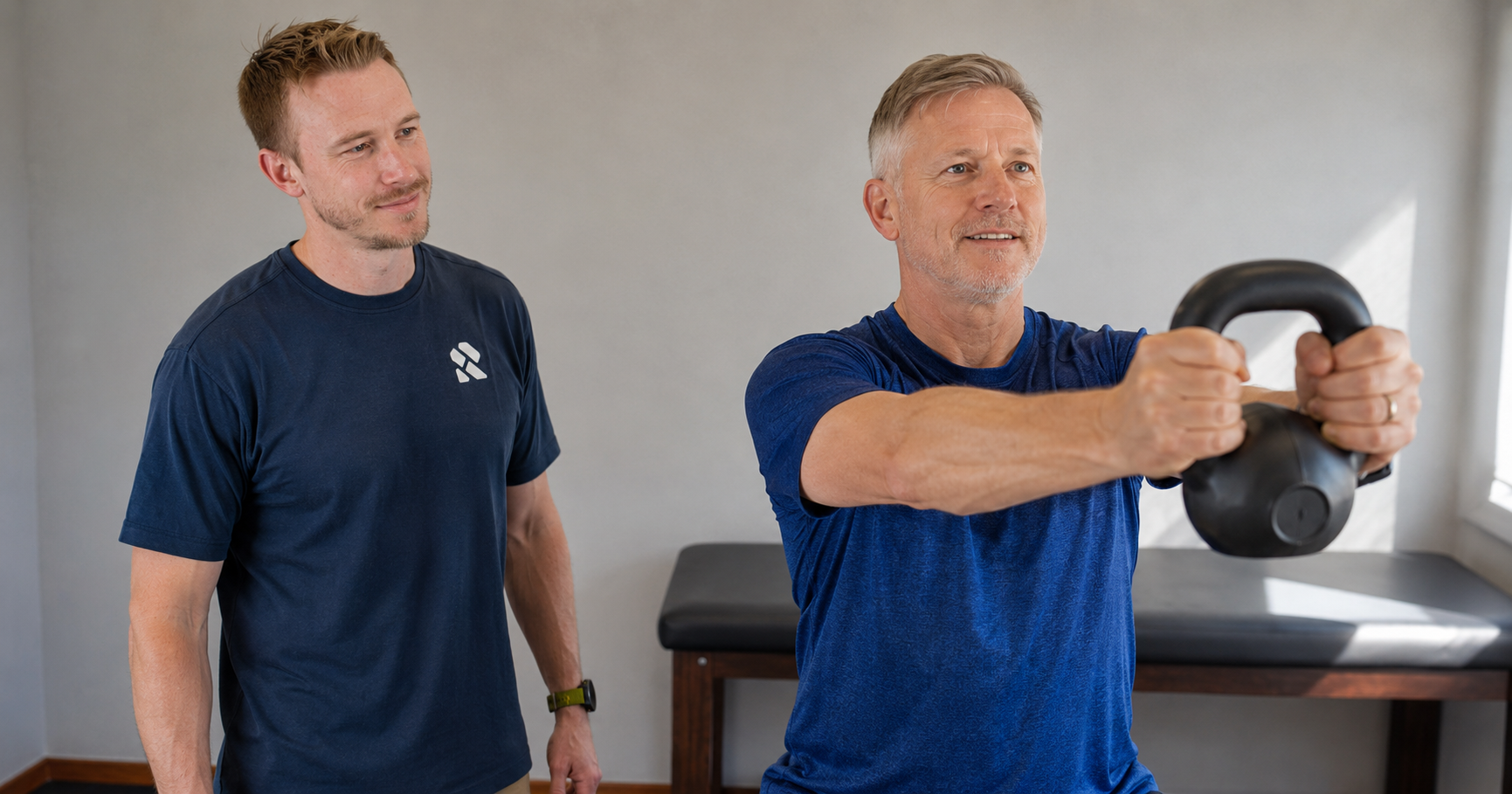
A biokineticist does not simply hand you a sheet of exercises and send you on your way. The process is methodical, evidence-based, and built around your specific injury, sport, and physical profile.
Comprehensive Assessment First
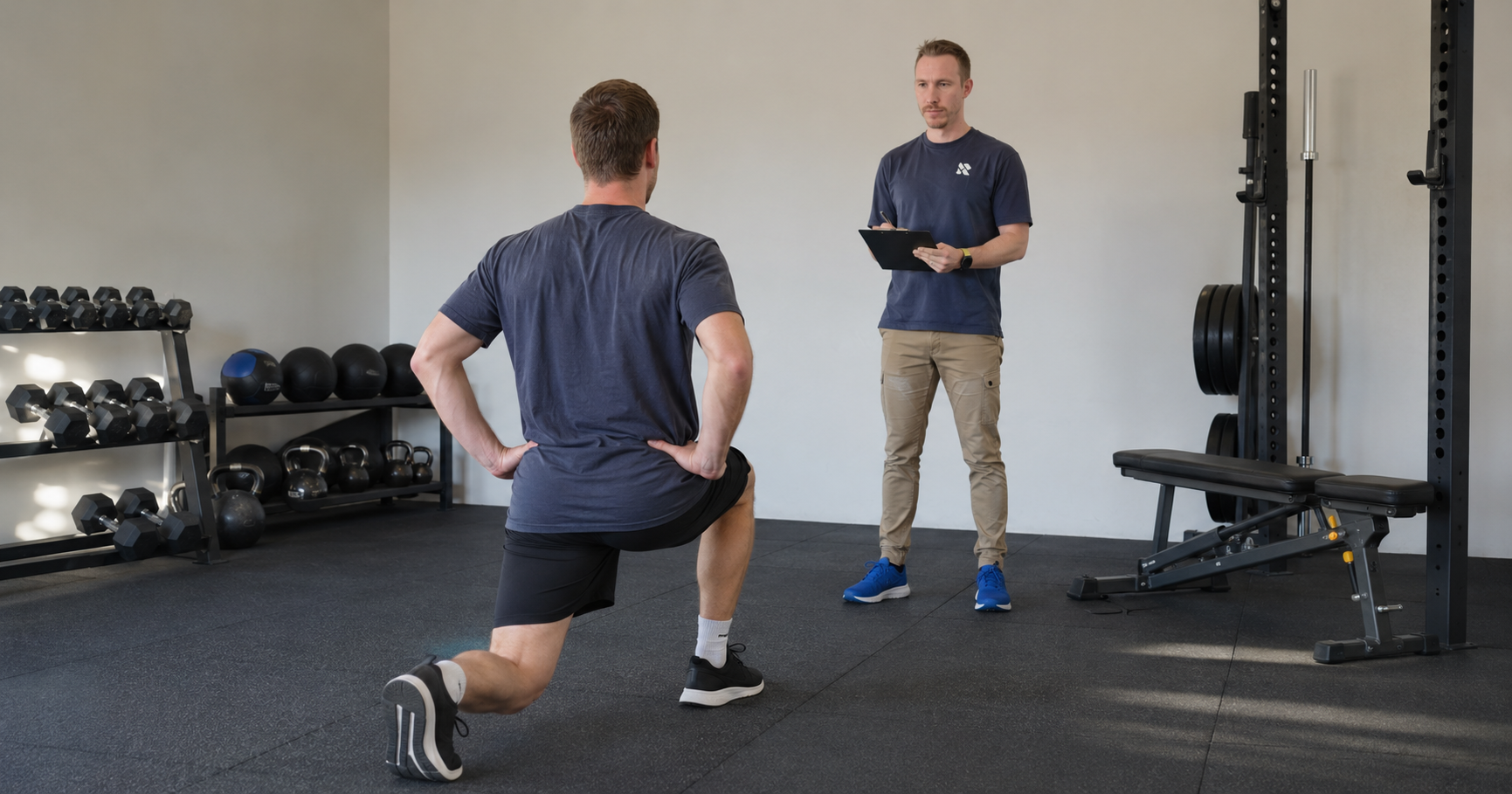
Every biokinetics programme starts with a thorough clinical assessment, because prescribing exercise without understanding the full picture is how people get hurt again. Your medical history, injury details, strength deficits, movement compensations, joint stability, and cardiovascular capacity are all evaluated before a single exercise is chosen. That assessment is the clinical foundation everything else is built on.
Individualised Exercise Prescription
Based on the assessment findings, a programme is designed specifically for you. Not for your injury type in general. For you. Two runners with the same hamstring tear may receive entirely different programmes depending on their strength profile, training history, and return-to-sport timeline.
Exercise selection, intensity, progression, and volume are all deliberately chosen to produce a specific physiological response. The aim is to rebuild the muscle integrity, joint stability, and movement patterns that were compromised by the injury, while doing so in a way that does not overload tissue that is still in the process of healing.
Ongoing Monitoring and Adjustment
The biokineticist reviews and adjusts your programme at every session. If something is not working, it is changed. If progress is faster than expected, the programme is advanced. Recovery is not linear, and the plan should not be rigid. This ongoing clinical oversight is what separates structured biokinetic rehabilitation from self-directed gym recovery, where there is no one checking whether what you are doing is actually moving you forward.
KEY CONCEPT
What does "return to sport" actually mean? Clinically, it is not simply returning to training. It follows a continuum: return to participation (light, non-contact activity), return to sport (full training), and return to performance (pre-injury competitive level). A biokineticist guides athletes through each stage with objective markers, not just how the injury feels. (Source: PMC, Return-to-Sport Clearance Continuum)
Sport-Specific Conditioning
A rugby prop and a trail runner may both present with a knee injury. But the physical demands of their sports are entirely different, and so their rehabilitation should be too. A biokineticist factors in the specific movement patterns, physical loads, and functional requirements of your sport when designing your programme.
A footballer needs lateral cutting ability and explosive acceleration. A cyclist needs single-leg power output and hip stability. A swimmer needs shoulder blade control and rotator cuff endurance. Rehabilitation that does not account for these demands will leave the athlete underprepared when they return, regardless of how well the injury itself has healed.
Feeling ready and being ready are two different things. Sport-specific conditioning is what closes that gap.

Preventing the Next Injury
Done well, biokinetics does not just get you back to where you were before the injury. It leaves you stronger. By the time a patient completes a well-structured programme, their body is often better conditioned than it was when the injury first occurred.
This is intentional. Biokineticists use the rehabilitation process to identify and correct the underlying weaknesses, imbalances, and movement faults that contributed to the injury in the first place. A hamstring strain that occurred partly because of hip flexor tightness and weak glutes is not just treated at the hamstring. The entire kinetic chain is addressed.
The result is an athlete who returns to sport with improved structural resilience, a reduced risk of reinjury, and a clearer understanding of how their body works. That is a meaningful long-term return on the time invested in proper rehabilitation.
Not Just for Elite Athletes
Biokinetics is for anyone who moves, gets injured, and wants to recover properly. Weekend warriors, school-level athletes, gym-goers, trail runners, cyclists, and desk workers with recurring pain all benefit from the same principles that professional athletes use.
The approach stays consistent regardless of level: accurate assessment, individualised exercise prescription, progressive loading, and a structured return to the activities that matter to you. Whether that means getting back on the rugby field or running your Saturday parkrun without pain, a biokineticist can build a programme around your specific goal.
In South Africa, biokinetics is recognised by most medical aids, which means sessions may be covered under your healthcare benefits. It is worth checking your plan before assuming rehabilitation is out of reach financially.
GOOD TO KNOW
Biokinetics is recognised by most South African medical aids as a covered healthcare benefit. Whether you are a competitive athlete or a casual weekend runner, structured rehabilitation by a registered biokineticist may already be included in your plan. Check with your medical aid before you assume it is out of pocket.
Frequently Asked Questions
When should I see a biokineticist after a sports injury?
There is no single answer to this. Some patients are referred to a biokineticist after an acute injury has been managed by a doctor or physiotherapist. Others go directly to a biokineticist from the outset, particularly with chronic pain, movement dysfunction, or conditions that are best addressed through corrective exercise. A biokineticist can assess you at any stage and advise on the most appropriate course of action, including referring you to another professional if needed.
Do I need a referral to see a biokineticist?
No referral is required to book an appointment with a biokineticist. However, having a referral from your doctor or physiotherapist, along with your medical history and any relevant scan results, will allow the biokineticist to assess you more thoroughly from the first session.
How many sessions will I need?
This depends entirely on the nature and severity of your injury, your baseline fitness, and your goals. Minor injuries may require only a handful of sessions. More significant injuries or post-surgical rehabilitation can involve several months of progressive work. Your biokineticist will give you a realistic timeline after your initial assessment.
Can biokinetics help with chronic sports injuries, not just acute ones?
Yes. Chronic conditions such as recurring tendinopathy, long-standing back pain, or persistent joint problems respond well to structured exercise rehabilitation. In many cases, a proper biokinetics programme addresses the root cause of a recurring problem that has not resolved with rest or passive treatment alone.
Is biokinetics covered by medical aid in South Africa?
Most South African medical aids recognise biokinetics as a covered healthcare benefit. The number of sessions covered and the claiming process varies by plan, so it is worth contacting your medical aid to confirm your specific benefits before you begin.
Key Takeaways
- Biokinetics is not always the final step in rehab. It operates within a flexible, patient-centred model alongside doctors and physiotherapists.
- A biokineticist designs an individualised, sport-specific exercise programme based on clinical assessment, not a generic recovery template.
- Reinjury rates are significantly reduced when rehabilitation follows a structured, progressive return-to-sport continuum rather than returning by feel alone.
- Proper rehabilitation often leaves athletes stronger and more resilient than they were before the injury.
- Biokinetics is for all athletes, from professionals to weekend warriors, and is covered by most South African medical aids.
Are you a biokineticist managing rehabilitation programmes? Rehabit is built to streamline your practice, from assessment and exercise prescription to progress tracking and patient communication.


