

Why Movement Is More Than Just Exercise
Modern life has quietly engineered movement out of our daily routines. We sit more, scroll longer, and outsource physical effort wherever possible. The result is not just stiffness or fatigue, but a steady rise in chronic disease, recurring injuries, and a growing disconnect between our bodies and how they are meant to function. Exercise is often framed as a lifestyle choice or a cosmetic pursuit, yet its absence shows up in very real medical consequences. This is where biokinetics enters the conversation, not as fitness in disguise, but as exercise used deliberately as medicine. Biokinetics applies scientifically prescribed movement to restore function, manage disease, and protect long-term health. It treats movement not as optional, but as essential to how the body heals, adapts, and thrives.
By the end of this article, you will understand what biokinetics actually is, how it works within healthcare, and why it plays a critical role in injury rehabilitation, chronic disease management, and preventative health.
What Is Biokinetics?
The Meaning Behind the Word The term biokinetics comes from two Greek roots. “Bio” meaning life, and “kinetics” meaning movement. Together, they form a simple but powerful idea: life through movement.
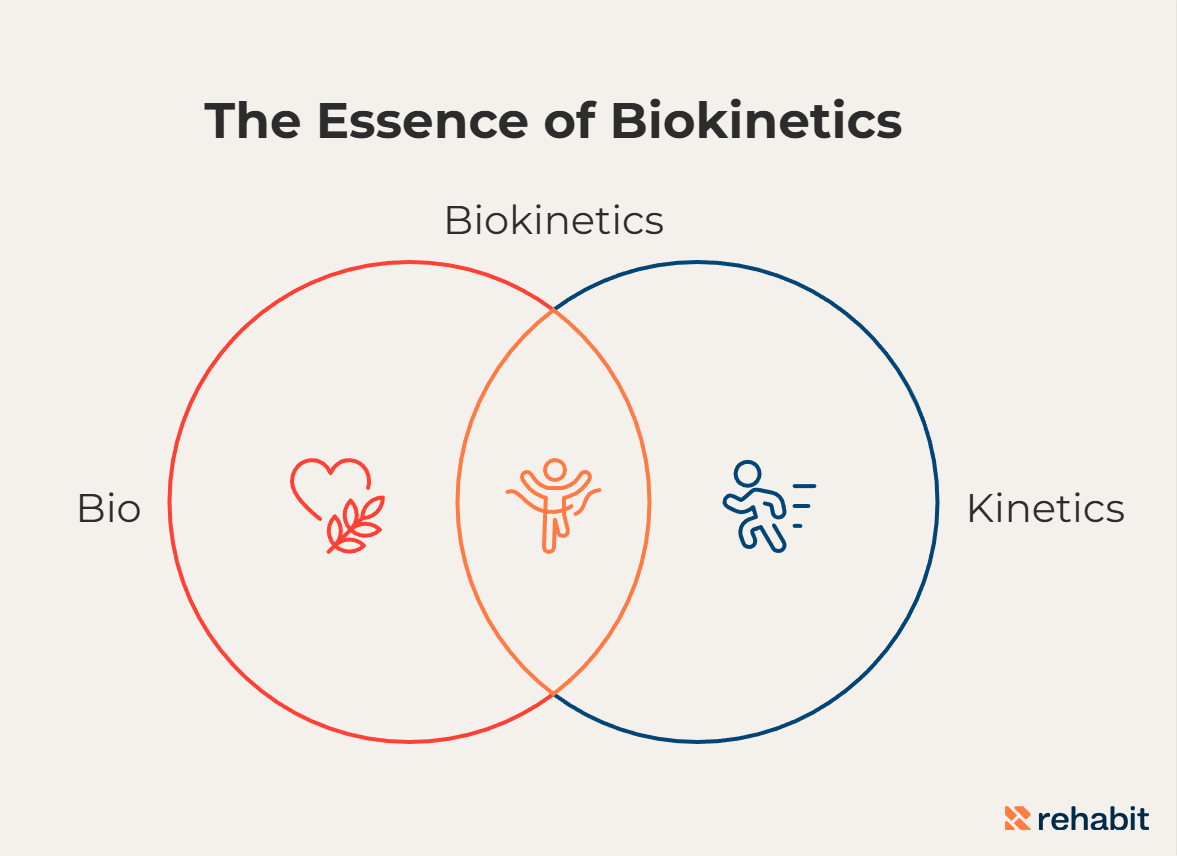
This philosophy recognises that movement is not just something the body does, but something the body needs in order to function properly. Every system in the body, from muscles and joints to the heart, lungs, and nervous system, depends on movement to stay healthy. When movement is impaired, avoided, or poorly prescribed, health begins to decline. When movement is restored in the right way, the body has an extraordinary capacity to recover and adapt.
Biokinetics as a Healthcare Profession
Biokinetics is a recognised healthcare profession focused on the science of movement. It uses structured, evidence-based exercise to improve physical functioning, restore ability after injury or illness, and support long-term health outcomes. Biokineticists work across three key areas. Health promotion, by helping individuals build strength, resilience, and movement capacity before problems arise. Maintenance of physical abilities, especially in those managing ongoing conditions or age-related decline. And final-phase rehabilitation, where patients transition safely from medical treatment back to full, functional movement.
In South Africa, biokinetics is a regulated profession. Practitioners are registered with the Health Professions Council of South Africa and are represented by the Biokinetics Association of South Africa. This ensures that biokineticists are clinically trained, ethically governed, and qualified to work alongside doctors and other healthcare professionals as part of a broader medical care team.
In short, biokinetics bridges the gap between medicine and movement, using exercise not as guesswork, but as a precise clinical tool designed to improve health, function, and quality of life.
What Does a Biokineticist Actually Do?
A biokineticist does not simply hand out exercise routines. Their work begins with understanding the person behind the symptoms and then applying movement with clinical intent. Every decision is guided by assessment, evidence, and ongoing evaluation.
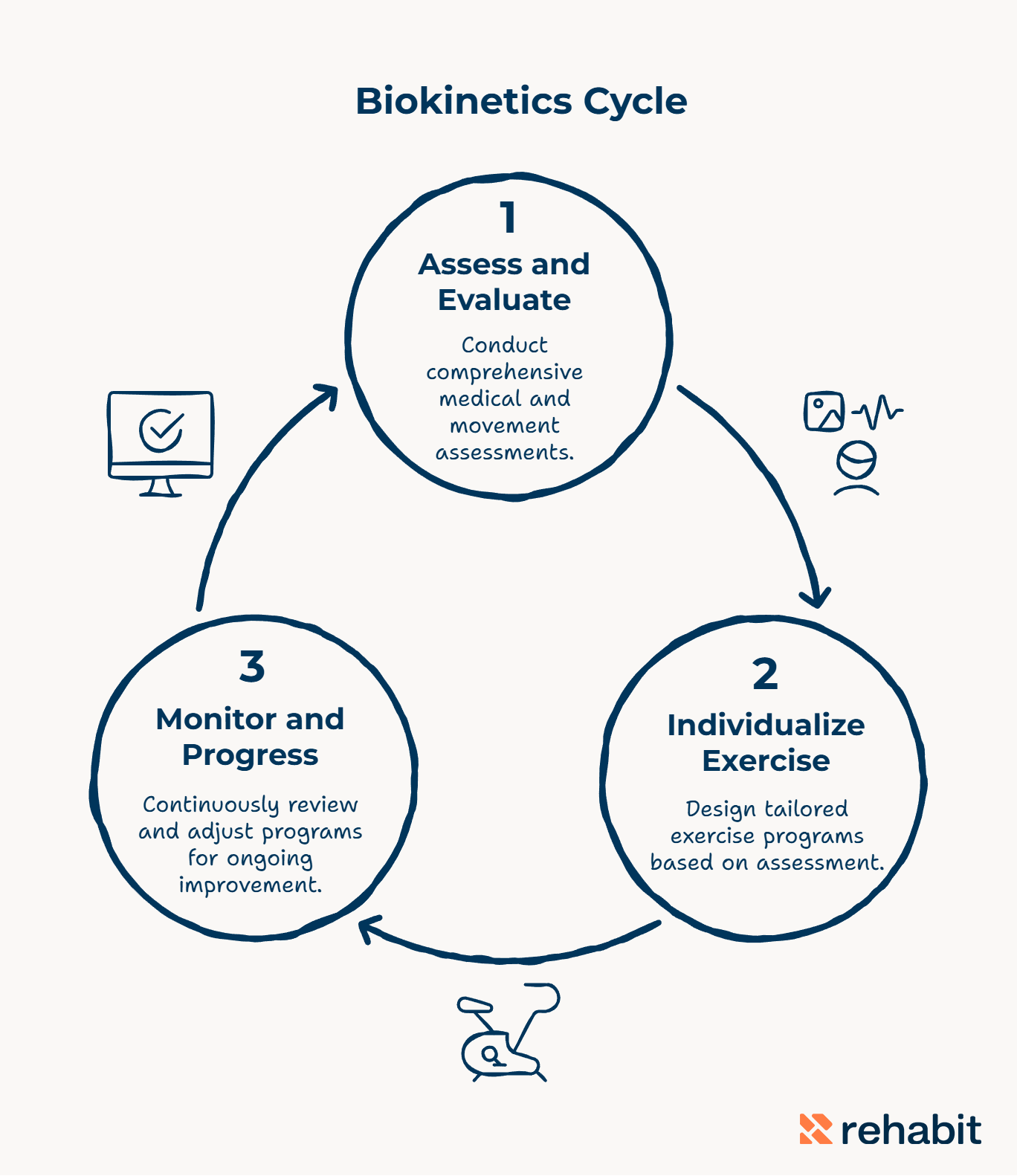
Assessment and Evaluation
The process starts with a comprehensive medical and movement assessment. This includes a detailed review of medical history, previous injuries, surgeries, diagnoses, and current limitations. Understanding this context is essential to ensure that exercise supports recovery rather than aggravating underlying issues. From there, physical and functional testing is conducted. This may involve assessing strength, mobility, posture, balance, cardiovascular capacity, and movement patterns relevant to daily life or sport. These tests reveal how the body is functioning, not just where it feels uncomfortable. Vital measurements often form part of the initial evaluation. Blood pressure readings, body composition analysis, and in some cases ECG monitoring help build a complete health profile. Together, these assessments provide the clinical foundation on which safe and effective exercise programmes are built.
Individualised Exercise Prescription
Based on the assessment findings, a biokineticist designs an individualised exercise programme tailored to the person’s health status, goals, and medical considerations. There is no one-size-fits-all approach. Two people with the same diagnosis may receive very different programmes depending on their movement capacity, lifestyle, and risk factors. Exercise prescription in biokinetics is evidence-based and medically informed. Each exercise selection, intensity level, and progression is chosen to produce a specific physiological response. Whether the goal is rehabilitation, chronic disease management, or preventative care, exercise is treated as a precise intervention rather than a generic activity.
Ongoing Monitoring and Progression
Biokinetics is not a once-off intervention. As the body adapts, programmes are continually reviewed and adjusted. Strength improves, mobility increases, pain reduces, and tolerance changes. The exercise plan evolves alongside these improvements to ensure ongoing progress without unnecessary risk. This ongoing monitoring provides safety, accountability, and measurable outcomes. It allows early identification of setbacks, reinforces correct technique, and supports sustainable long-term results. Over time, the focus shifts from recovery to resilience, helping individuals move confidently and independently.
The Health Benefits of Biokinetics
Biokinetics influences health on multiple levels, extending far beyond muscles and joints. Its benefits are both physical and cognitive, reinforcing the idea that movement is deeply connected to overall wellbeing.
Physical Health Benefits
One of the most significant benefits of biokinetics is improved cardiovascular endurance. Structured exercise supports heart and lung function, circulation, and metabolic efficiency, all of which are essential for long-term health. Biokinetics also enhances muscle strength, flexibility, and bone density. Stronger muscles support joints, reduce pain, and improve daily function, while improved flexibility allows for better movement quality. Increased bone density is particularly important in reducing the risk of fractures and osteoporosis. Balance and coordination are another key focus. By improving neuromuscular control and stability, biokinetics reduces the risk of falls, especially in older adults or individuals recovering from injury. This has a direct impact on independence and quality of life.
Mental and Cognitive Health Benefits
The benefits of biokinetics extend into mental and cognitive health. Regular, well-prescribed movement plays a powerful role in reducing stress and anxiety, helping regulate the nervous system and improve emotional resilience. Improved mood, better sleep quality, and enhanced mental clarity are commonly reported outcomes. Exercise stimulates neurochemical processes that support focus, memory, and emotional balance, reinforcing the link between movement and brain health. In this way, biokinetics supports not only how the body moves, but how the mind functions, making it a valuable tool in managing both physical and psychological wellbeing.
Biokinetics and Chronic Disease Management
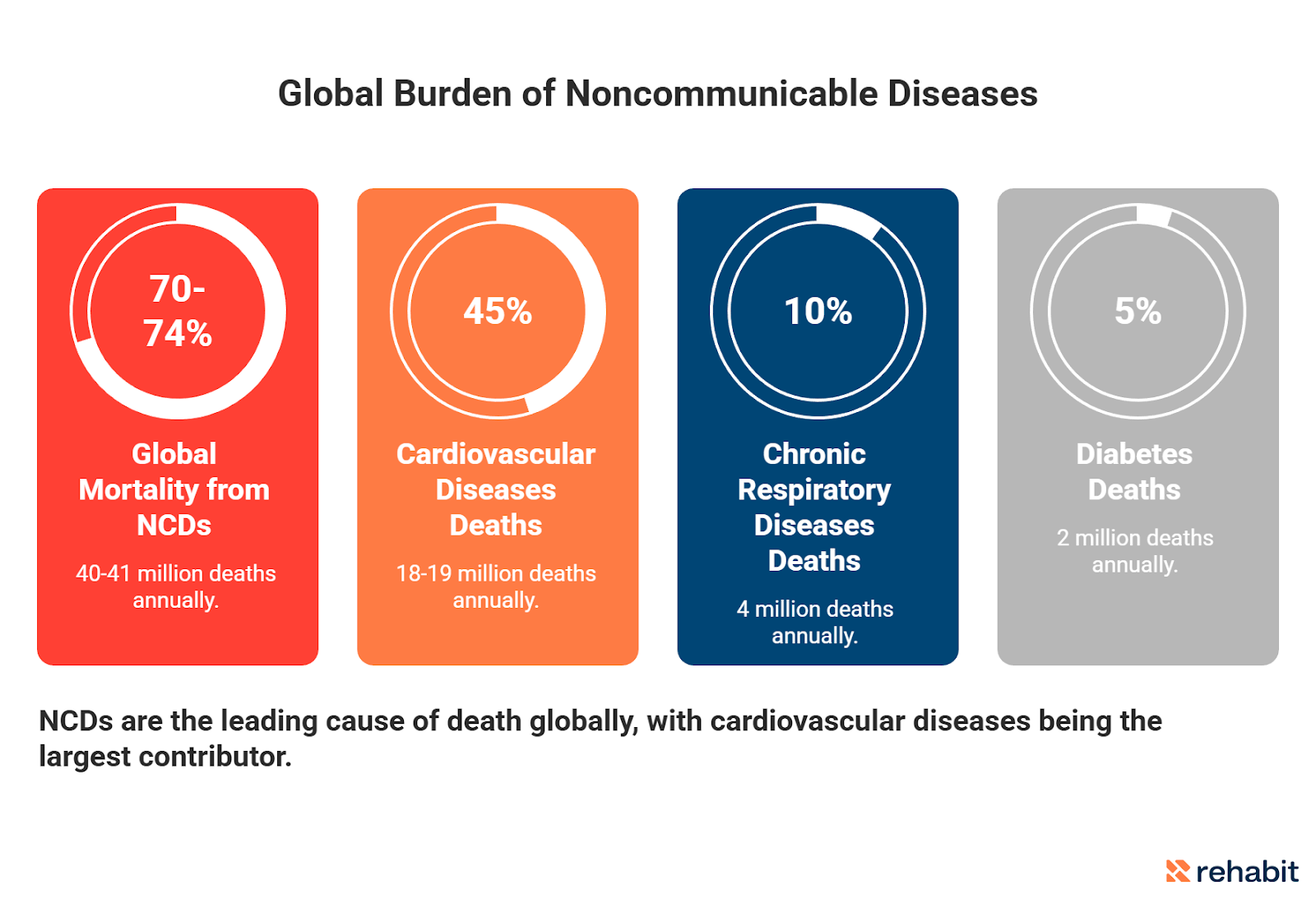
Chronic diseases are rarely solved by medication alone. Conditions such as diabetes, heart disease, and obesity are closely linked to how the body moves, adapts, and responds to daily physical demands. Biokinetics plays a critical role in managing these conditions by using structured exercise to improve physiological function and long-term health outcomes.
Supporting Long-Term Conditions
For individuals living with diabetes, biokinetics helps improve insulin sensitivity, blood glucose control, and overall metabolic health through carefully prescribed physical activity. In cardiovascular conditions, exercise is used to strengthen the heart, improve circulation, and increase tolerance to daily activity in a controlled and safe manner. In cases of obesity, biokinetics focuses not only on weight management but on restoring movement confidence, joint health, and functional capacity. The goal is to reduce symptoms, improve energy levels, and enhance quality of life rather than chasing short-term results. Across all chronic conditions, exercise is adjusted to the individual’s medical profile, ensuring that benefits are achieved without unnecessary risk. Over time, this leads to better symptom control and a greater sense of physical independence.
Reducing Healthcare Burden
Effective movement-based interventions can significantly reduce strain on the healthcare system. Improved physical capacity and disease management often result in fewer hospital admissions, reduced complications, and less reliance on acute medical care. By improving strength, mobility, and endurance, biokinetics supports functional independence. This allows individuals to perform daily activities with greater ease, maintain autonomy for longer, and reduce the long-term costs associated with chronic disease progression.
Preventative Care, Rehabilitation, and Performance
Biokinetics is not limited to treating existing problems. It plays an equally important role in preventing injury, supporting recovery, and enhancing physical performance across different populations.
Injury Prevention and Post-Rehabilitation Care
Injury prevention is achieved by identifying movement limitations, muscular imbalances, and biomechanical weaknesses before they lead to breakdown. Through corrective and strengthening exercises, biokinetics reduces the likelihood of injury in both everyday life and sport. In the post-rehabilitation phase, biokineticists guide individuals through final-stage rehabilitation. This is the critical transition period where medical treatment ends but full functional readiness has not yet been restored. Structured movement helps prevent re-injury by reinforcing correct movement patterns, strength, and control before a return to normal activity or sport.
Lifestyle Change and Longevity
Unlike quick-fix fitness trends, biokinetics promotes sustainable lifestyle change. The focus is on building habits that can be maintained over time rather than chasing short-term outcomes that are difficult to sustain. Movement is positioned as a lifelong health tool. As the body ages and circumstances change, exercise is adapted to support continued function, independence, and resilience. This long-term approach is central to healthy ageing and improved longevity.
Athletic and Performance Support
For athletes and physically active individuals, biokinetics provides a structured pathway to improved performance. Exercise programmes are designed to enhance strength, speed, endurance, and movement efficiency while minimising injury risk. Biokinetics also bridges the gap between rehabilitation and sport. It ensures that athletes do not return to competition prematurely and that physical readiness matches the demands of their sport. By combining clinical insight with performance-focused training, biokinetics supports safer, more effective progression at every stage.
Biokinetics vs Personal Training: What’s the Difference?
Biokinetics and personal training both involve exercise, but they operate in very different contexts. Understanding the distinction is essential when health, injury, or medical conditions are part of the picture.
Medical Oversight vs General Fitness
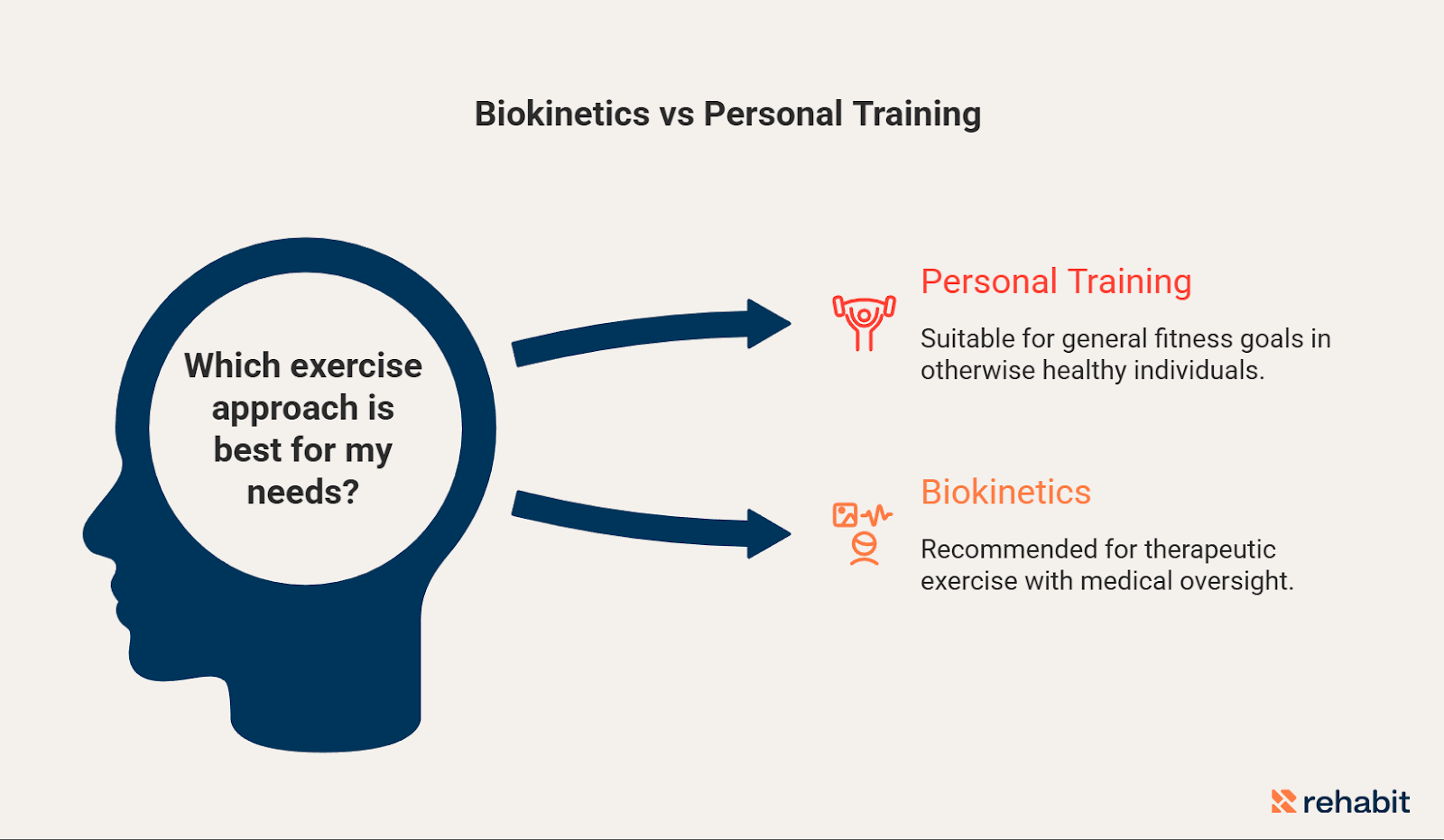
The key difference lies in scope of practice. Personal trainers focus on general fitness goals such as strength, weight loss, or conditioning in otherwise healthy individuals. Their work is not medically driven and does not involve clinical assessment or rehabilitation. Biokinetics, on the other hand, functions within a healthcare framework. Exercise is prescribed based on medical history, clinical assessments, and physiological data. Safety considerations are central, particularly for individuals with injuries, chronic disease, or post-surgical limitations. Each movement choice is made with a clear understanding of risk, adaptation, and long-term outcomes. This clinical grounding allows biokineticists to work confidently with complex cases where unsupervised or generic exercise could do more harm than good.
When Biokinetics Is the Better Choice
Biokinetics is the appropriate choice when exercise needs to be therapeutic rather than purely performance- or aesthetics-driven. This includes situations involving ongoing pain, injury recovery, chronic conditions, or when medical clearance is required before starting an exercise programme. Individuals who have been advised by a doctor to exercise, but are unsure how to do so safely, benefit from the medically informed approach of biokinetics. In these cases, exercise becomes part of a structured care plan rather than a trial-and-error process.
Why Biokinetics Matters in South Africa
Biokinetics plays a uniquely important role within the South African healthcare landscape, where preventative care and long-term disease management are increasingly necessary.
Recognition by Medical Aids
In South Africa, biokinetics is recognised by medical aids, making it more accessible to a broader range of patients. This recognition reflects its value in rehabilitation and preventative care, allowing individuals to receive structured, professional movement therapy as part of their healthcare benefits. By supporting recovery and preventing complications, biokinetics helps reduce long-term healthcare costs while improving patient outcomes.
A Profession Built for Long-Term Health
Beyond individual treatment, biokinetics holds growing relevance in public health. As lifestyle-related conditions continue to rise, the need for safe, sustainable movement interventions becomes increasingly important. Biokinetics addresses this need by focusing on function, independence, and resilience over time. Its emphasis on prevention, evidence-based practice, and collaboration with other healthcare professionals positions it as a vital component of modern healthcare, both now and into the future.
Who Should Consider Seeing a Biokineticist?
Biokinetics is not limited to elite athletes or people recovering from major injuries. It is relevant to a wide range of individuals whose health, function, or confidence in movement could benefit from professional guidance. Individuals recovering from injury are among those who benefit most. Whether returning to daily activities after surgery or rebuilding strength following a musculoskeletal injury, biokinetics provides a structured and safe pathway back to full function.
People managing chronic conditions such as diabetes, cardiovascular disease, arthritis, or long-term pain also stand to gain significantly. In these cases, exercise must be carefully prescribed and monitored to support health without exacerbating symptoms. Biokinetics offers that balance between challenge and safety.
Those who want preventative, guided exercise often turn to biokinetics before problems arise. This includes individuals who are sedentary, ageing, or aware of early warning signs such as stiffness, weakness, or reduced mobility. Early intervention helps maintain function and reduce future injury risk.
Biokinetics is also well suited to anyone seeking medically informed movement. If there is uncertainty about how to exercise safely, or if previous attempts at exercise have led to pain or setbacks, a biokineticist provides clarity, structure, and confidence through a clinically grounded approach.
The Bigger Picture: Health Through Movement
At its core, biokinetics reframes exercise from something optional or cosmetic into a clinical tool with measurable health outcomes. Movement is no longer about doing more, but about doing what is right for the body at a given point in time. By applying exercise with intent, precision, and medical insight, biokinetics positions movement as a cornerstone of sustainable health. It supports recovery, prevents decline, and builds long-term resilience. In a world where chronic disease and inactivity are increasingly common, biokinetics offers a practical, evidence-based pathway back to health through movement.

Are you a biokineticist managing rehabilitation programmes? Rehabit is built to streamline your practice, from assessment and exercise prescription to progress tracking and patient communication.


